


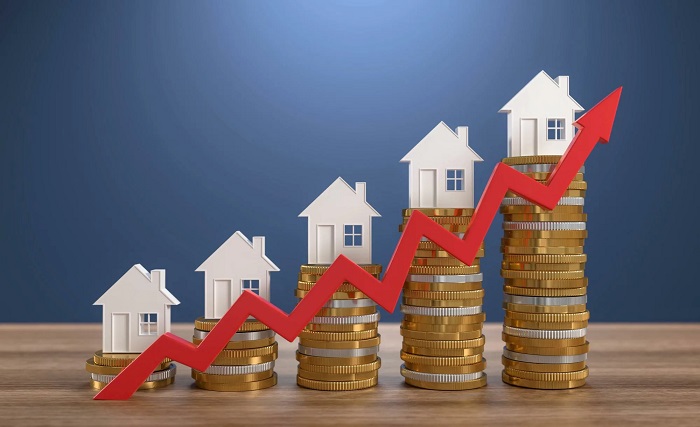
Real estate investment for rental purposes is often viewed as one of the most stable investment strategies: it combines a regular cash flow with the preservation of capital in a tangible asset. Unlike many other financial instruments with Property Management Consultation, a real estate property can be improved to increase its appeal and profitability. Furthermore, in many regions, demand for rental space is sustained by the constant need for housing and commercial premises.
Investing in rental properties allows for portfolio diversification, reduces exposure to market volatility, and enables the gradual appreciation of an asset’s value through effective management and cost control. Professional support—such as that provided by Meridian Property Management—can assist investors in streamlining processes like tenant screening, property maintenance, and lease agreement compliance, ultimately making rental income more predictable and stable.
Which types of properties offer the highest rental yields in your city?
The highest rental yields are almost always found where strong, consistent demand meets a moderate barrier to entry. In your city, this typically means focusing not on the “most prestigious” segment, but rather on property types that rent out quickly, rarely sit vacant, and allow for flexible pricing.
In practice, the best returns come from properties that either address a mass-market need—such as housing located near workplaces or educational institutions—or cater to high-volume, short-term demand, driven by factors like business travel, tourism, relocation, or medical treatment.
The easier it is to scale such solutions with Meridian Property Management—and the lower the risk of vacancy—the higher the overall return.
Property types that typically yield the highest returns
Studio apartments and compact one-room units generally lead in terms of percentage yield. They are the quickest to rent out and appeal to a broad, solvent demographic—including young professionals, couples, people looking for their first home, and those relocating for work or study. Properties located near metro stations, public transit stops, major employers, universities, or business districts are particularly strong; even a small space can generate high returns by minimizing vacancy periods.
Individual rooms and “co-living” setups (where an apartment is adapted for multi-tenant, room-by-room leasing) often provide the best absolute return on invested capital. Demand is driven by students and budget-conscious tenants, while the model offers greater flexibility: you can rent out rooms individually, ensuring that the departure of one tenant doesn’t result in a total loss of rental income. However, this approach requires more intensive management—handling move-ins and move-outs, establishing house rules, and monitoring the condition of the property.
Small commercial spaces in high-foot-traffic areas—such as those near residential complexes, transit stops, or other busy hubs—often deliver high returns, provided the tenant concept is well-chosen. Ideal options include neighborhood-oriented services, parcel pickup points, small takeaway coffee shops, or essential consumer services.
The key factor is not the “attractiveness of the storefront,” but rather consistent foot traffic and a clear, viable economic model for the tenant. Apartments used for short-term or medium-term rentals can outperform long-term rentals in terms of revenue—provided the area is in high demand, such as city centers, tourist hubs, locations near exhibition venues, airports, train stations, or major medical centers. However, maximum profitability can only be achieved through professional operations: managing booking calendars, cleaning services, guest reviews, dynamic pricing, and ensuring a legally sound rental model.
Conditions for Maximizing Profitability
To ensure a property yields the highest possible return, it is not just about “what to buy,” but also how to tailor the space to the specific demands of your city. The most profitable properties typically succeed due to rapid turnover, standardized interior finishes, and clear, straightforward rules for tenants—the fewer questions a prospective tenant has during a viewing, the less room there is for negotiation, and the shorter the vacancy period.
- Location outweighs square footage: proximity to public transport, business hubs, universities, or hospitals almost always accelerates the rental process.
- Layout and functionality: features such as a separate bedroom or dedicated sleeping area, a fully equipped kitchen, ample storage, and a workspace allow for higher rental rates without a disproportionate increase in costs.
- Rental-focused design: using durable, wear-resistant materials, components that are easy to replace, and a neutral aesthetic helps minimize maintenance and renovation expenses.
- Strategic flexibility: the ability to switch between long-term and medium-term rental models enhances the overall stability of your income.
If your primary goal is to maximize rental yield, the best results are usually found in compact housing units located in high-demand areas—properties where you can actively influence rental rates through your choice of rental model and the level of service provided. Ultimately, the final outcome is almost always determined by management discipline: controlling vacancy periods, the quality of tenants, and pre-calculated maintenance costs.