


A move goes much more smoothly when the packing process is planned in advance: start by sorting your belongings into categories, getting rid of anything you no longer need, and gathering supplies such as boxes in various sizes, bubble wrap, packing tape, and markers. Wrap fragile items individually, fill any empty space in the boxes with paper or soft fabric, and place heavy items in smaller boxes to make them easier to carry. If you are hiring professionals—for instance, if you are looking into movers pittsfield ma —be sure to ask in advance what packing materials they provide and how they handle the loading process.
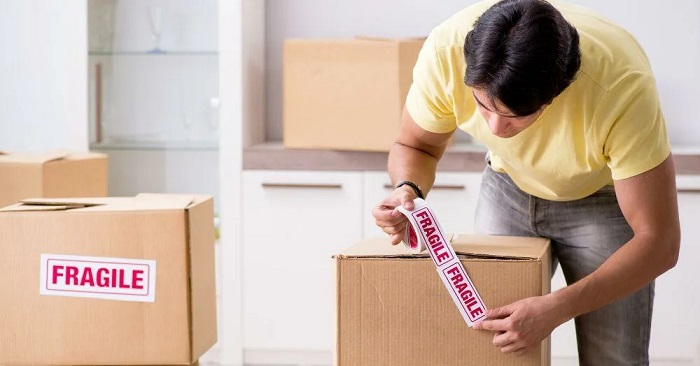
To ensure nothing gets lost or damaged, label each box with its intended room and a list of its contents; clearly mark items as “fragile” where necessary, and pack an “essentials box” containing important documents, chargers, basic kitchenware, and a change of clothes. Clothing is best transported in vacuum-sealed bags or clearly labeled boxes, while cables and small accessories should be kept in labeled bags—ideally with a photo attached to indicate which device they belong to.
This approach helps save time during unpacking and makes it easier to oversee the process—even if you entrust the bulk of the work to professional moving companies pittsfield ma.
Selecting boxes, bags, and wrapping materials for different types of belongings
Choosing the right packing supplies reduces the risk of damage and simplifies unloading: boxes hold their shape and can be stacked, bags allow for the quick collection of soft or loose items, and protective film secures and shields surfaces.
Consider the weight, fragility, and shape of your items: distribute heavy objects into smaller boxes, provide extra cushioning and wrapping for fragile pieces, and seal items that are sensitive to moisture or dust.
Choosing the right materials for specific items
Books, documents, and dense objects are best packed in small-to-medium, sturdy boxes made of thick corrugated cardboard; they won’t buckle under the weight and are easier to carry. Reinforce the bottom with an extra layer of packing tape, and fill any gaps with paper or bubble wrap to keep the contents from shifting.
Clothing, textiles, and soft items can be conveniently packed into durable bags or sacks; you can also wrap them in stretch film for added protection against dust. Use clean, odorless bags for delicate fabrics, and keep footwear and belts separate from other items to avoid staining lighter-colored belongings.
Tableware, glassware, decorative items, and small electronics require a combination of materials: a box, protective wrapping, and filler. Wrap each fragile item individually in bubble wrap or paper, and place cushioning layers between the items.
Plates and lids are best packed vertically, while glasses should be individually wrapped and secured firmly in place to prevent them from knocking against the sides of the box.
- Bubble wrap – for fragile items sensitive to impact.
- Stretch wrap – for securing bundles, protecting against dust, and grouping smaller items together.
- Heavy-duty bags – for soft items and lightweight objects that are not prone to damage from deformation.
Choosing the Right Packaging: Size, Durability, and Safety
Large but lightweight items (pillows, blankets, soft toys) are best placed in large boxes or spacious bags to avoid unnecessarily increasing the total number of packages. At the same time, do not mix heavy items with light ones; a box should remain manageable to lift and must retain its structural integrity when stacked.
Electronics and items with surfaces prone to scratching (monitors, glossy panels, mirrors) should first be covered with a soft layer (such as paper or fabric), followed by a layer of bubble wrap, and finally secured with stretch wrap. Place cables and remote controls into separate bags and put them in the same box to ensure all components stay together.
- For heavy items: pack only in small boxes with reinforced bottoms.
- For fragile items: pack in boxes with protective padding to fill any gaps, ensuring nothing can shift.
- For cleanliness: place textiles and items sensitive to dust or moisture into bags and wrap them in stretch film.
It is best to pre-sort loose items and small household objects (such as hardware, stationery, or kitchen accessories) into small bags before placing them into a box with best moving company; this makes the packed box more stable and ensures that unpacking at your new location will be much faster.