


Managing mouse infestations requires more than placing bait in areas where rodents have been spotted. Professional pest control involves identifying activity patterns, locating entry points, eliminating attractants, and implementing measures that reduce the likelihood of future problems.
Mouse bait stations are an important part of this process. They provide designated locations for baiting and monitoring, make routine inspections more manageable, and help technicians maintain organized rodent control programs.
Although these devices may appear simple, their design, placement, and maintenance can significantly influence how effectively a property is monitored and treated.
Understanding Mouse Activity and Control Challenges
Mice are difficult to manage because of their ability to move through narrow openings and remain concealed within buildings. They frequently travel along walls, beneath equipment, behind storage racks, and through utility spaces.
Their presence often becomes noticeable only after property occupants discover droppings, damaged packaging, gnaw marks, or unusual odors.
Common locations where mouse activity develops include:
- Commercial kitchens and food storage rooms
- Warehouses and loading areas
- Garages and utility closets
- Areas beneath appliances and shelving
- Mechanical rooms and concealed structural spaces
Identifying these locations helps pest management professionals determine where monitoring and control equipment should be installed.
Because mice tend to follow established pathways, placing equipment directly along active routes is generally more effective than distributing stations randomly throughout a property.
Why Proper Bait Station Placement Matters
The location of a bait station is often just as important as the equipment itself.
A station positioned away from rodent activity may receive little attention, even when appropriate bait is used. Conversely, strategically located stations allow technicians to target areas where mice regularly move.
Placement decisions should consider evidence of activity, potential food sources, structural openings, and accessibility for maintenance.
Professional technicians also need to account for safety requirements, building operations, and the possibility of contact with children, pets, or other non-target animals.
Compact equipment provides additional flexibility in restricted environments. For example, stations can be positioned beneath warehouse shelving or behind commercial appliances where larger devices might not fit.
The Role of Mouse Bait Stations in Integrated Pest Management
Integrated pest management (IPM) combines prevention, monitoring, and targeted treatment to address pest problems systematically.
Within this approach, a professional mouse bait station provides a controlled location for appropriate bait or monitoring materials.
Using designated stations offers several advantages:
- More consistent placement of control materials
- Easier inspections during scheduled service visits
- Improved organization of monitoring locations
- Better documentation of rodent activity
- Reduced access to bait by non-targets when properly secured
- More standardized servicing across multiple properties
However, stations do not eliminate the need for other control measures.
Sealing entry points, improving sanitation, removing accessible food sources, and reducing clutter remain essential for long-term prevention.
Any rodenticide application must also follow product label instructions and applicable regulations.
Why Station Design and Durability Are Important
Professional pest control equipment often remains in place for months or longer, requiring repeated inspections, cleaning, and maintenance.
Stations must withstand regular handling without developing damaged closures or other problems that interfere with servicing.
Durable construction can reduce replacement frequency and help pest control companies maintain consistent equipment standards across customer accounts.
Accessibility is equally important.
Technicians should be able to open stations using the appropriate key, inspect their contents, replace materials, and securely close them without unnecessary complications.
Useful design features may include internal bait-holding mechanisms, drainage openings, accessible compartments, and designated labeling areas.
Compact dimensions are particularly valuable when treating areas with limited installation space. Nevertheless, smaller stations must still provide sufficient capacity for their intended purpose.
The most practical designs balance durability, security, compactness, and convenient maintenance.
Monitoring Rodent Activity Over Time
An effective rodent control program relies on regular monitoring rather than isolated treatments.
Established station locations allow technicians to compare observations across multiple service visits and identify changes in mouse activity.
During inspections, professionals may record bait consumption, signs of rodent presence, station condition, and environmental changes.
These observations help determine whether existing measures are effective or require adjustments.
For instance, persistent activity near loading docks may indicate an unresolved entry point or sanitation issue.
Monitoring records are particularly valuable for commercial properties, including restaurants, warehouses, grocery stores, and food-handling facilities.
Documented inspections demonstrate that rodent activity is being assessed and that appropriate corrective actions are being considered.
Selecting Suitable Stations for Commercial Environments
Commercial buildings often present complicated layouts and operational restrictions. Control equipment must accommodate these conditions without interfering with employees, customers, or routine activities.
For properties with narrow service areas, compact rodent monitoring stations for tight spaces can offer practical placement options.
When selecting equipment, pest management companies should evaluate its dimensions, construction quality, internal configuration, locking mechanism, and compatibility with their servicing procedures.
Standardizing equipment across multiple accounts may also simplify technician training and inventory management.
Ultimately, station selection should reflect the property’s specific conditions and the requirements of the broader rodent management program.
Supporting More Effective Long-Term Rodent Management
Mouse bait stations contribute to professional rodent control by providing organized, serviceable locations for monitoring and bait placement. Their effectiveness depends on suitable positioning, proper maintenance, and integration with preventive measures.
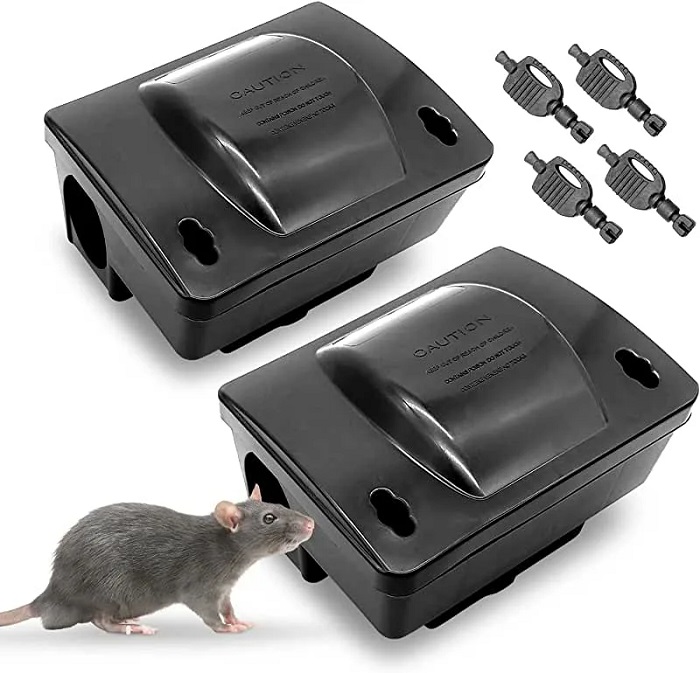
VM Products manufactures equipment designed for these applications, including the MBS1® Mouse Bait Station, which features a compact body, internal metal bait rod, drainage holes, service label, and compatibility with the VM Universal Key™. The company’s MBS+® model provides additional bait placement capacity through two metal snap-in-place rods.
For pest management professionals, choosing durable and accessible stations supports consistent inspections, accurate monitoring, and efficient servicing. Combined with exclusion, sanitation improvements, and ongoing assessment, these tools help create more reliable rodent management programs for residential and commercial properties.