Commercial freezers operate under high loads: frequent door openings, large product volumes, 24/7 operation, and the need for stable temperatures. Any deviation from the norm quickly translates into financial losses due to spoiled goods and disruption of trade or production.
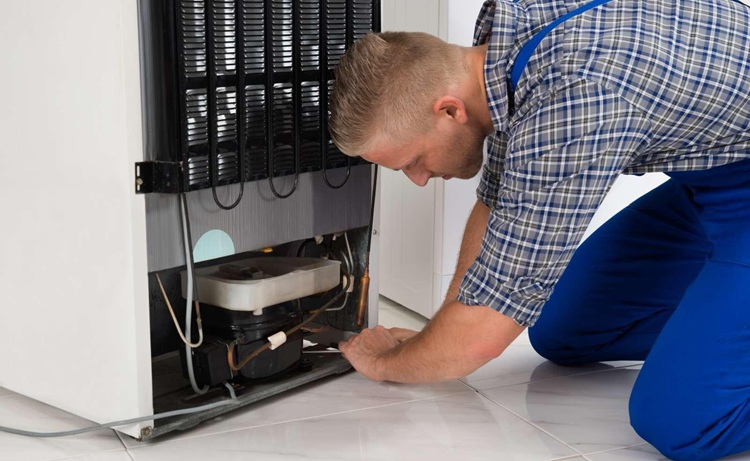
Proper maintenance reduces the risk of breakdowns and extends the lifespan of components such as the compressor, defrost system, automation, and thermal insulation. If a malfunction has already occurred, it’s important to correctly identify the cause so that on-site freezer repairs Cold Commercial can be performed quickly and without recurring breakdowns.
Scheduled Maintenance: What to Do Regularly
Preventive maintenance is always cheaper than emergency repairs: it maintains the specified cooling capacity and reduces energy consumption. For commercial equipment, it’s critical to adhere to the maintenance schedule and record the parameters in a log.
Basic maintenance procedures:
- Clean the condenser of dust and grease: clogs impair heat transfer, increase system pressure, and overload the compressor.
- Check the door seals: warm air leaks cause evaporator icing and increased compressor runtime.
- Temperature and cycle monitoring: Compare the actual temperature with the setpoint, evaluate the frequency of operation and the duration of operation.
- Inspect the drain: A clogged drain can cause water in the chamber, ice formation, and damage to defrost components.
- Check the evaporator/condenser fans: noise, pulsation, and weak airflow are signs of wear or icing.
- Electrical circuit diagnostics: terminals, contactors, relays, wiring heating, and grounding quality.
Common Breakdowns and Repair Methods
The freezer compartment doesn’t freeze properly or the temperature fluctuates
Typical causes: dirty condenser, refrigerant leak, incorrect thermostat/sensor operation, evaporator icing, compressor wear, or fan malfunction. Repairs begin with simple steps: cleaning the heat exchangers, checking the door seals and air circulation, then measuring pressures and currents.
- Inspection and cleaning of the condenser, checking the condenser fan.
- Leak testing: nitrogen pressure testing/searching with a leak detector, repairing the leak by soldering/replacing a section.
- Evacuation and refilling by weight (using the nameplate/card), monitoring for overheating and subcooling.
- Automation check: sensors, controller, thermostat, correct settings, and calibration.
The compressor frequently starts or fails to start.
Frequent starts may be caused by warm air being sucked in through the door, an incorrect setpoint, a dirty condenser, low refrigerant, or problems with the relay/start capacitor. If the compressor fails to start, check the power supply, starting protection equipment, and mechanical condition.
- Start diagnostics: check the relay, starting/running capacitor, contactors, and terminal condition.
- Measure winding resistance and check for a breakdown to the housing.
- Check operating conditions: condensing pressure, room ventilation, and condenser cleanliness.
- Replace the compressor if there is an interturn short circuit, a jam, or critical wear. Replace the filter drier and flush/purge the circuit if it is dirty.
Ice buildup on the evaporator, water in the chamber, defrost not working
Defrost problems in commercial refrigerators lead to reduced airflow, rising temperatures, and compressor overload. Causes include faulty heating elements, defrost sensor, timer/controller, thermal fuse, evaporator fan, and clogged drain.
- Check heaters (heating elements) and power circuits, replace burnt-out elements.
- Diagnose sensors (NTC/thermostat), their settings, and actual readings.
- Check the timer/controller and defrost parameters (frequency, duration, end temperature).
- Clean drains and restore slopes, monitor drain heating if necessary.
Unusual noise, vibration, poor airflow
Noise is usually associated with fans, worn bearings, impellers picking up ice, or loose compressor or piping connections. Poor airflow impairs heat transfer and leads to freezing.
- Replace fans or bearings (if possible), correct impeller vibration.
- Remove ice, then adjust defrost settings and eliminate the cause of the ice buildup.
- Anti-vibration measures: check compressor mounts, secure pipes, gaskets, and fasteners.
Important: When working with refrigerant, observe safety requirements and use the correct refrigerant according to the equipment nameplate. Incorrect charging or “topping up without diagnostics” often leads to repeated failures, compressor overheating, and costly repairs.
Summary: How to Extend the Life of a Commercial Freezer
Regular maintenance of a commercial freezer reduces the risk of unexpected shutdowns, product loss, and expensive repairs. Most critical failures begin with minor symptoms: rising temperature, frost buildup, unstable compressor operation, controller errors.
Experience shows that timely diagnostics and proper repair of components (refrigeration circuit, defrost, ventilation, electrical system) are more effective than “emergency” interventions. Scheduled preventive maintenance and parameter monitoring help detect problems before they become serious.
- At the first sign of a malfunction, stop self-healing and rule out simple causes: a loose door, a clogged condenser, incorrect settings, or overloading the freezer with product.
- If the problem recurs or the temperature is not maintained, have a professional diagnostic performed: measure pressures, currents, resistances, check the defrost system, and test the controller and sensors.
- Perform repairs based on the cause, not the symptoms: replacing the fan will not solve the leak, and refilling is no substitute for finding and fixing the leak.