


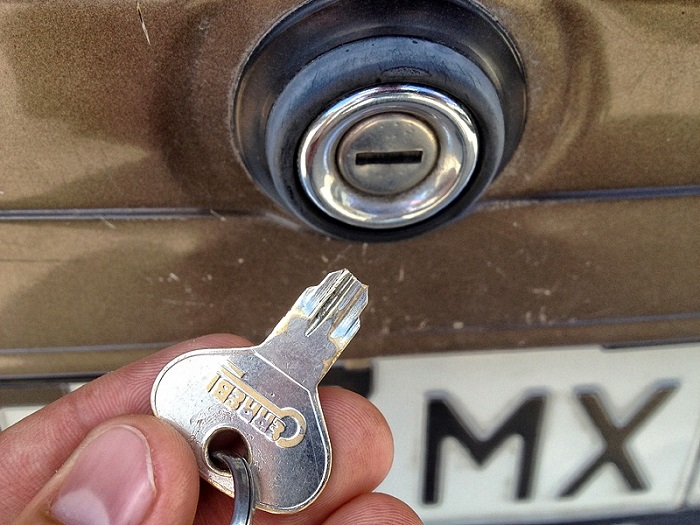
Removing a broken key from a car lock is a common problem faced by many drivers. Often, the key breaks inside the mechanism due to wear, improper use, or aging of the material, making it difficult to start the car and requiring special methods and tools for safe removal. Learn more on this website.
The correct approach and use of the right tools can help avoid damage to the lock and the car, and significantly reduce troubleshooting time. This article covers the basic methods and recommendations for removing a broken key without damaging the mechanism.
Step-by-step instructions for removing a broken key using household tools
If your car key breaks and part of it gets stuck inside the lock, don’t panic. The right approach will help you fix the problem yourself without calling a service center. It’s important to proceed carefully and follow the steps carefully to avoid damaging the lock or complicating the situation.
Before you begin, make sure you have the necessary tools, such as a thin flat-head screwdriver, tweezers, or small glue sticks. When preparing for the procedure, avoid using excessive force to avoid damaging the lock mechanism or leaving the stuck part inside.
Step-by-Step Guide to Removing a Broken Key
- Inspect the Situation. Carefully inspect the lock and key. Try to determine how deeply the part is stuck and whether there is any noticeable damage.
- Prepare Your Tools. Use a thin flat-head screwdriver, tweezers, or a plastic stick. If necessary, have some lock lubricant, such as graphite grease or liquid silicone, readily available.
- Gently try to insert the tool. Carefully insert a thin screwdriver or plastic scribe under the damaged section of the key. Do not apply force – the floating section of the key should lift or shift slightly.
- Attempt to remove the stuck section. Slowly and carefully pull the key out using tweezers or a scribe, grasping the stuck section. Move the tool with gentle movements to avoid damaging the lock mechanism.
- Repeat the procedure if necessary. If unsuccessful the first time, try again, adding a little lubricant to facilitate removal. Sometimes, slight rotation or gentle tapping helps to free the stuck section.
- Check the result and test the lock. After removal, make sure the key or its parts are not stuck inside and the lock is functioning properly. When in doubt, it’s recommended to seek professional help.
Professional Technicians and Specialized Tools for Removing a Stuck Key
When DIY methods fail and the key is firmly stuck in the lock, calling a professional is the most effective solution. Specialized techniques and tools allow you to safely and quickly resolve the problem, minimizing the risk of damage to the lock mechanism or its housing.
Professional technicians use a range of unique tools and techniques, such as fine-tipped tweezers, magnetic grippers, specialized pressing and pulling devices, and probe tools to carefully remove the stuck element. These methods not only allow you to remove a broken key without damage, but also to diagnose the lock’s condition, which helps prevent future breakdowns.
Conclusion
Using professional techniques and tools is a reliable way to solve the problem of a stuck key in your car. You should contact specialists if traditional methods have proven ineffective or there is a risk of damaging the lock. Ultimately, the right approach ensures the safety of your car and a quick restoration of its functionality.